
Low Pit and Reduced Headroom Lifts:
Everything You Need to Know About Standards, Regulations and Reasons for Installation
Introduction
When it comes to installing or replacing passenger lifts, standard dimensions and configurations are designed to meet strict safety and performance requirements. However, there are many situations where the physical structure or restrictions of a building mean these standard solutions simply cannot be used.
Low pit and reduced headroom lift solutions are specialist, custom-engineered systems developed specifically for these circumstances. These are considered last resort solutions. Used only when all other practical options have been fully explored and proven impossible due to structural limitations, planning restrictions or protected building status.
Complex in design and often viewed as a specialised alternative, these systems require expert knowledge, careful planning and full compliance with strict regulations. They are not a standard choice. They provide the only viable solution where vertical access is essential, but the building itself cannot be modified or altered.
Understanding the Lift Standards and Regulations
Because these lifts operate outside the parameters of standard designs, they are governed by specific regulations and standards depending on the type of installation and its intended use.
Passenger Lifts
For passenger lifts, the primary standards are EN 81‑20/50 for new installations and EN 81‑21 for replacement lifts fitted into existing shafts. These standards define the required dimensions, safety features and performance criteria for standard passenger lifts. Including minimum pit depths and headroom clearances. Designed to eliminate hazards such as crushing risks within the lift shaft.
When a building’s physical constraints mean these required dimensions cannot be achieved, it is not possible to install a standard-compliant lift. In these cases, a Derogation Order is required before any installation work can begin. This formal approval process is managed by The Office for Product Safety and Standards (OPSS), and each application is reviewed individually on a case‑by‑case basis.
To legally design, supply and install these systems, providers must hold appropriate accreditation under Schedule 18 of the Lifts Regulations, demonstrating they have the technical competence and expertise to deliver safe, compliant solutions.
Platform and Hybrid Cabin Lifts
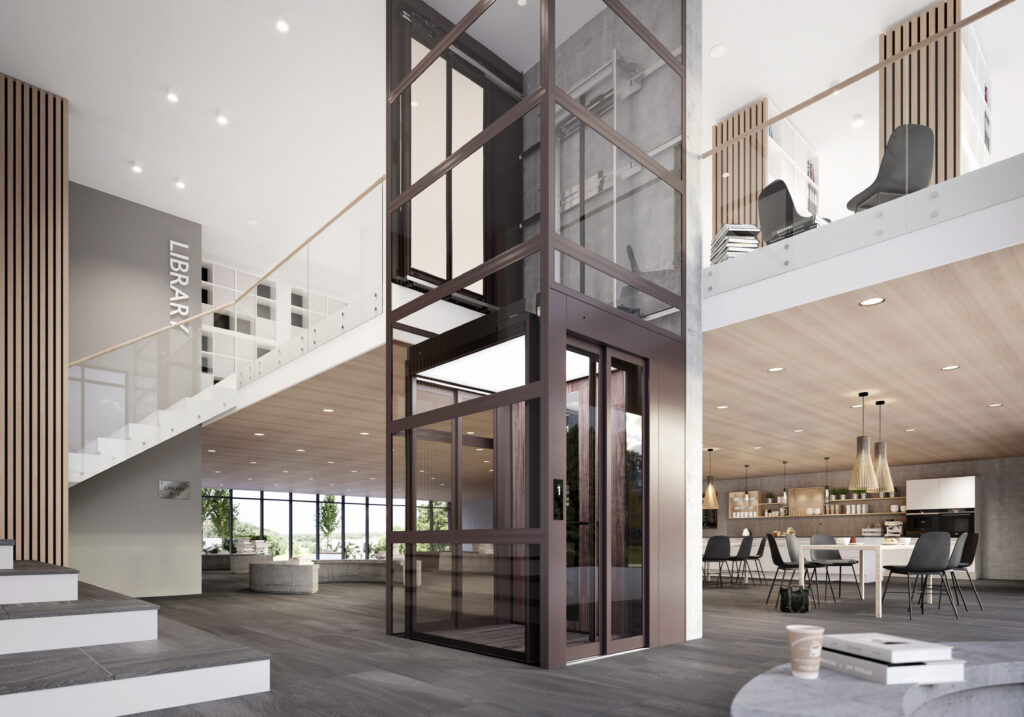
Alongside passenger lifts, solutions are also available that fall under the scope of the Machinery Directive 2006/42/EC. These include platform lifts and hybrid cabin lifts – systems that are designed, engineered and finished to look and perform almost identically to conventional passenger lifts, but operate to a regulated maximum contract speed of up to 0.15m/s.
These systems are widely used as a practical alternative to standard passenger lifts, particularly suited to low‑rise, low‑usage applications. As standard designs already operate with low pit requirements, they do not require the same specialist design or approval processes as passenger lifts, so they are not classified as complex or bespoke solutions.
When Are These Solutions Required?
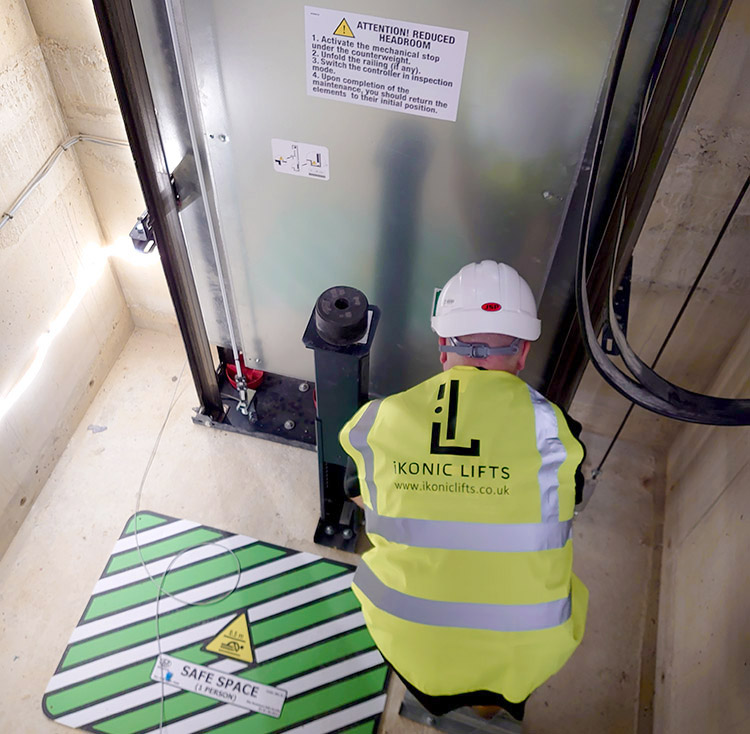
Low pit and reduced headroom passenger lifts are only specified when every other possible way of meeting standard requirements has been investigated and found to be unworkable. Typical scenarios where these solutions become the only viable option include:
- Heritage or listed buildings: Where structural changes, digging foundations, modifying rooflines or altering the building’s fabric is prohibited or restricted by planning regulations or protective legislation
- Structural limitations: Where underground features such as drains, tunnels, services or existing foundations prevent the excavation of a standard‑depth lift pit
- Restricted overhead space: Where roof structures, floor layouts, existing plant rooms or building design mean there is insufficient height available for standard headroom requirements
- Protected environments: Buildings or areas where modification is not permitted due to their historical, architectural or environmental significance
- Space constraints: Where the area above or below the lift shaft is already occupied or cannot be altered for operational or structural reasons
In all these situations, vertical access remains a necessity – and low pit or reduced headroom lifts provide the only way to deliver safe, compliant access when standard methods simply cannot be used.
How Safety Is Achieved
Because these installations operate outside standard dimensional rules, the risks that would normally be controlled by physical size and clearance must be managed in other ways.
Through advanced electro‑mechanical engineering and carefully designed systems, the risks associated with reduced pit depth or lower headroom are fully mitigated. This involves the implementation of specialised safety technology, additional protective measures and controlled operating procedures – all designed to ensure the lift is just as safe and reliable as a standard installation, despite the limited space available.
Every design is fully assessed, tested and validated, with full documentation provided to prove all essential health and safety requirements have been met in line with UK regulations and directives.
Looking Ahead
As building stock ages and the preservation of historic and protected structures becomes increasingly important, the need for these specialist solutions continues to grow. While they remain complex, carefully controlled and only used where absolutely necessary, they play a vital role in balancing the need for safe vertical access with the need to protect and preserve important buildings and structures.
Conclusion
Low pit and reduced headroom lifts are highly specialised, custom‑engineered solutions – used only when all other options have been exhausted and the building itself cannot be modified.
Strict regulations, rigorous approval processes and expert engineering ensure that even in the most challenging circumstances, safe, reliable and compliant vertical access can still be achieved. Working with an experienced, accredited provider is essential to navigate the requirements, deliver the right solution and ensure full compliance with all relevant standards.